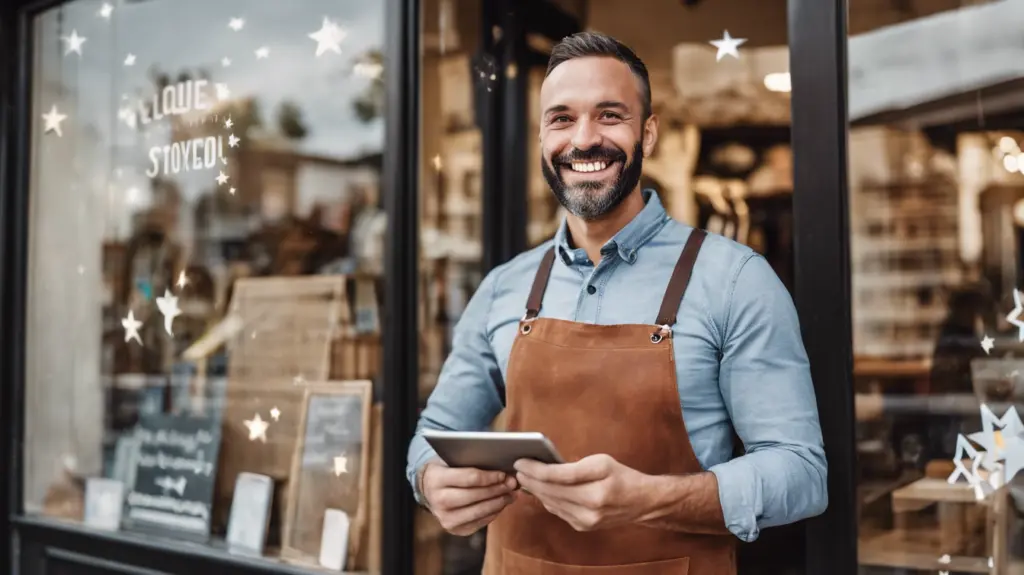

The UK restaurant scene is competitive, saturated, and shifting faster than ever. Whether you're running a neighbourhood café, a high-street bistro, or a family-run takeaway, the reality is the same—being good isn’t enough anymore. If your marketing isn’t dialled in, your tables will sit empty.
Your online reputation is your new front window. Before someone books a table or places an order, they're checking your reviews, scanning your photos, and seeing if your social media has any life in it. A weak presence means missed revenue. A strong one? That’s your edge.
But here’s what most local restaurants get wrong: they think marketing is just about ads or handing out flyers. It's not. Effective marketing today means managing how customers see you and how they talk about you. That’s online reviews, yes—but it’s also the photos on Google, how fast you respond to messages, what people are tagging you in, and whether your menu gets people excited before they’ve even tasted a thing.
You’re not just feeding people. You’re building a reputation that runs on both flavour and visibility. And visibility lives online.
If people can’t find you, they can’t eat with you.
So you need more than a good product—you need a smart way to show people they can trust you with their time, money, and meals. That’s what strong restaurant marketing does. It stays human, and it stays local. It gives customers a reason to talk about you, return to you, and bring others with them.
This guide will walk you through how to approach that the right way. Simple steps. No fluff. Nothing you can’t do with the tools you already have—just used more strategically. Whether you’re rebuilding a tired image or building from scratch, marketing isn’t about shouting louder. It’s about saying the right things to the right people at the right time—and continuing to deliver when they show up.
They’re judging you before they enter. Make every click count.
Understanding Your Local Audience
If you’re trying to market your restaurant without knowing exactly who you're speaking to, you're just throwing spaghetti at the wall. And in most cases, it's missing the plate. Getting your marketing right starts with understanding the people walking past your storefront, scrolling through your Instagram, or Googling lunch spots near them. In the UK, those audiences vary street by street—and so should your message.
Segment Your Audience Properly
First, break down who your actual customers are—not who you wish they were. Most local UK restaurants have a mix of:
- Families looking for affordable meals, kid-friendly menus, and relaxed vibes
- Office workers after a quick, reliable lunch or a stress-free dinner option with colleagues
- Local communities who value character, familiarity, and a connection to their neighbourhood spots
- Students or younger adults chasing deals, late hours, and a buzzing social spot
Each group comes with its own expectations. If you try to talk to all of them the same way, you’ll end up connecting with none of them.
Tailor Your Messaging
Once you’ve identified the mix, tailor how you communicate. Don’t just copy whatever’s trending—speak in a way that makes sense to your customers where they are.
Use visual menus, highlight dietary options, and promote early evening deals. Push convenience, online ordering, and time-sensitive lunch promos on weekdays. Emphasise community involvement, hometown pride, and consistency. Focus on loyalty rewards, student-friendly offers, and social content they’ll want to tag themselves in.
Language matters, too. Speak clearly, stay local, and avoid sounding like a template. Think about accents, slang, or seasonal references unique to your town or region. A pub in Manchester shouldn’t market identical to a brunch café in Brighton. Hyper-local works. It sounds like you’re one of them, not just selling to them.
Location-Specific Behaviour
Urban areas often prioritise speed, convenience, and variety. Rural and suburban neighbourhoods lean more toward trust, routine, and community visibility. Match your tone and offers accordingly. What works on a busy high street might flop in a village setting where folks still chat about dinner choices in the queue at the shop.
Speak their language. Answer their needs. Make them feel seen—not sold to.
Building a Strong Online Presence
You could be serving the best roast dinner or stone-baked pizza in town, but if your online presence is half-baked, most people won’t even give it a chance. Visibility drives footfall. Trust comes from what they see before they taste. That means you need to show up properly across the platforms your customers actually use.
Claim Your Google Business Profile
If you haven’t done this yet, stop reading and go sort it. Customers are Googling “pub near me,” not digging through directories. Your Google Business Profile (GBP) is the first thing they see—photos, reviews, opening hours, even your menu. Make sure it’s fully claimed, up to date, and reflects your brand.
- Add high-quality photos (exterior, interior, food, people)
- Accurate info: hours, contact, address, website, menu link
- Categories: Choose the ones that describe your offer clearly
- Respond to reviews regularly (more on that later)
GBP also impacts local search engine rankings. That means if customers nearby are searching, a strong listing gives you a real shot at being found—even over big chains.
Get Social the Right Way
Facebook and Instagram are still where most of your customers are scrolling. TikTok and Snapchat lean younger. The platform itself matters less than how consistent you are. Post regularly, respond to comments, and keep your tone human—not robotic or corporate.
- Share behind-the-scenes moments or prepping dishes
- Feature your staff, seasonal ingredients, or local events
- Use Stories or Reels to show your space with energy and sound
- If it’s a quiet Tuesday, turn it into a poll or quiz—create engagement
You don’t need a fancy agency. You just need consistency, relevance, and a bit of personality—like the tone someone would actually use in your restaurant.
Build a Website That Works
A clunky site screams “we don’t care” before they’ve even sat down. Your website should load fast, work on mobile, and make it damn easy to find key info. Focus on:
- Clear menus with prices and allergy info (PDFs are lazy)
- Professional but real images—avoid stock photography
- Location, contact options, and links to book or order
- Baseline SEO so you show up in “best curry in [town]” searches
Don’t overthink it. Your goal isn’t to look tech-savvy. It’s to convert clicks into covers.
Use the Right Delivery & Ordering Platforms
If delivery is part of your revenue, meet your locals where they’re ordering. That might mean partnering with UK-specific services like [insert platform] or making sure your online ordering works smoothly through your website. Make it easy, fast, and frictionless.
Missing menu items, confusing checkout, or unclear delivery zones? Customers won’t complain. They’ll just go elsewhere. Test the full process yourself like you're a first-time visitor. Fix every hiccup.
If your food’s worth shouting about, your presence should be too.
Creative Restaurant Marketing and Advertising Ideas
There’s no shortage of restaurants in the UK. But the ones diners remember do more than make good food—they create moments people want to talk about. Marketing isn’t just about being seen. It’s about being remembered. Here’s how to build buzz that sticks using creative, proven tactics tailored to your local crowd.
Themed Events That Keep People Talking
The quickest way to bring people through the door is to give them an occasion. Not just a meal—a reason to show up. Run monthly themed nights that fit your brand and neighbourhood. It could be a weekly pie-and-pint combo for locals, a curry tasting night, or a proudly silly quiz with prizes based on the menu. Keep it fresh, make it repeatable, and anchor it in your local identity.
- Rotate the theme often. People don’t rebook what they just experienced.
- Give locals something to invite friends to—that’s free marketing.
- Use email or social to drip limited seats. Scarcity drives bookings.
Events aren’t just events. They’re triggers for word of mouth.
Seasonal Promotions Built for UK Habits
Don’t copy trends from across the pond. Build offers around UK holidays, payday patterns, and weather quirks. Cold front in January? Push warming stews and soups. National dessert day? Create a limited-edition pudding menu. Brits love tradition, but they’ll turn up for smart seasonal fun when you show you’ve done your homework.
Run Loyalty and Referral Programmes That Actually Work
Don’t overcomplicate this. A handwritten punch card can be more effective than a fancy app if it gets people to return. The key is consistency and clarity.
- Reward the regulars: Offer a free dish or drink after a set number of visits.
- Encourage referrals: Give both the referrer and the newcomer a discount or treat.
The trick? Make it easy to use and even easier to explain. If a staff member struggles to describe it in under ten seconds, it’s too complicated.
Collaborate with Local Businesses
You’re not the only independent trying to get attention. Partner up. Cross-promote with the florist next door, the local butcher, or a nearby salon. Think joint offers, shared social shoutouts, or co-hosted events. The goal is to blend audiences and build real community buzz. You don’t need a huge budget—just a real connection with the folks around you.
Use Video to Bring the Energy
Video isn’t optional anymore, but good news: it doesn’t have to be high-budget. Use short clips to show the vibe of your dining room on a Friday night or how your chef preps a signature dish. Keep it vertical for mobile. Keep it casual, but not sloppy. You’re not making a film. You’re just showing your personality.
Use Instagram Reels and TikTok to share:
- Limited-time offers with a ticking countdown
- Walkthroughs of your space before opening time
- Staff intros with a simple “meet your server” vibe
What feels ordinary to you might feel like charm to your customers.
Don’t Forget Creative Offline Ideas
Old-school still works when it stands out. Chalkboards with cheeky messages. Sandwich boards with trivia or quotes. Table talkers with birthday shoutouts or QR codes linking to photo contests. These aren’t just decorations. They spark interaction. That’s real marketing.
When someone leaves your place smiling, your marketing is working.
You don’t need a massive budget or external agency to do any of this. You need imagination, consistency, and the willingness to try something different. The restaurants that keep growing aren’t just selling meals. They’re selling moments—and they aren’t afraid to get a bit creative to do it.
Reputation Management and Customer Engagement
Your food might be brilliant, but it’s your reputation that packs out your tables night after night. A single online review can shape what someone expects before they even step inside. So if your restaurant is ignoring what’s being said online—or leaving engagement to chance—you’re handing control of your brand to strangers. It doesn’t need to be that way.
Actively Ask for Reviews
Happy diners rarely leave reviews unless you nudge them. So build it into your operations. The simplest system? Train your front-of-house team to ask after the meal while handing them the bill. Or follow up a delivery with a polite text or email asking for feedback.
- Use printed cards with QR codes leading to your Google or TripAdvisor page
- Offer something small in return, like a future discount
- Make sure staff know how important reviews are—not just to the business, but in how they reflect on the individual experience they helped shape
If you don't ask, you don’t get.
Respond to Every Review—Good or Bad
Replying shows you care. And no, not just to the person who left the review. Future customers are reading your replies too. Keep it brief, authentic, and polite. If it’s a positive review, thank them by name. If it’s negative, don’t get defensive. Own it and explain how you’re improving.
People aren’t expecting perfection. They’re expecting decency and common sense. A thoughtful response to a valid complaint often builds more trust than five generic five-stars with no replies.
Turn User-Generated Content Into Marketing Gold
Photos and tags from your diners are free PR. They’re also a signal to others that your place is worth talking about. So make your space and plating Instagram-worthy without going gimmicky.
- Encourage sharing by creating a hashtag and displaying it subtly on menus or table cards
- Repost great photos with credit to your feed or Stories
- Run low-effort competitions (like “Tag us in your meal and win dessert next time”)
Your customers are already creating content. Give them a reason to share it in a way that benefits you.
Use Feedback Loops to Stay Sharp
You don’t need expensive software to get feedback. Use a simple comment card, an email survey, or just ask in person during quieter service periods. Then actually do something with what you learn.
- Log common complaints and make fixing them a weekly priority
- Celebrate staff who are named in positive feedback
- Let your customers know when you’ve made changes based on what they said
Feedback isn’t criticism. It’s a free map to get better.
Keep Communication Human and Local
Talk to your audience like they're regulars, not numbers. Whether it’s replying to comments on Instagram or sending out a weekly update email, stay friendly and grounded. Avoid corporatespeak. Be present. Let people see there are real humans behind your business.
Make updates personal. Instead of “We’re announcing our new summer menu,” try “We’re buzzing about the lemon tart back on the menu this week—come try it while it lasts.” Show personality. It builds connection.
If you want your community to talk about you, give them something worth repeating.
Maximizing Marketing Strategy with Promotions and Campaigns
Promotions aren’t just gimmicks—they're sharp tools when used right. A well-timed campaign can turn your quietest shift into a packed house, and the best part is, you don’t need big money to do it. You just need to plan like a local and execute like someone who knows what works for your community.
Build Around Real UK Moments
Don’t reach for imported trends when there’s a full calendar of UK-specific opportunities right in front of you. If you’re not already using national food days, seasonal habits, and local traditions to anchor your promotions, you’re missing easy wins.
- National food observances: Create limited-edition menus or deals tied to [insert food day]. Make it cheeky. Make it local. Make it shareable.
- Weather-driven menu pushes: Cold snap? Highlight comfort dishes. Heatwave? Promote outdoor seating and icy drinks.
- Payday week boosts: Run deals in the final weekend of the month when wallets open back up. It matters.
- School holidays and bank holidays: Tailor offers to families or day-out visitors in your area.
Think like your locals shop. Offer what they’re actually in the mood for.
Smart Timing Beats Big Discounts
If you're always playing the discount game, it’ll eat into your margins and attract customers who vanish once full price returns. Use timing instead. Try limited-time offers or early access specials so customers feel like they’re getting value just by showing up at the right moment.
- Midweek lunch bundles when footfall dips
- Happy hours tied to the local commuter flow
- Early bird menus that reward those who book before peak
Create urgency without sounding desperate. Make it clear people have something to gain by acting quickly.
Plan Campaigns That Stack Value, Not Just Discounts
Promotions don’t always have to be price-based. Campaigns built around themes, exclusivity, or milestones make a bigger impression and encourage repeat visits.
- “Try them all” campaigns: Reward customers who sample a new menu item each week
- Anniversary campaigns: Birthday of the business? Offer loyalty rewards or hidden menus for long-time followers
- Charity-linked campaigns: Tie certain dishes or days to a local cause your regulars care about
These add emotional pull, community value, or curiosity—without slashing prices.
Simple Templates to Use Again and Again
Once you’ve run a few solid promos, tweak the format and reuse it. The goal isn’t constant reinvention, it’s becoming known for consistent smart offers. Create core templates like:
- “Meal + Deal” promos: Set-price combos with a drink or dessert
- “Bring-a-friend” weeks: Offer perks for group bookings or new guest referrals
- Seasonal limited menus: Create buzz around short-run offers with custom visuals and names
Don’t stop at running a promotion—learn from it. Track which ones fill tables or get talked about most. Keep a simple tracker or notebook. Over time, you’ll build your own playbook tailored to what actually resonates in your area.
If you’re smart with how and when you run campaigns, your marketing becomes more than noise. It becomes part of the rhythm your community looks forward to. That’s how you stay relevant long after the promo flags come down.
Measuring, Adapting, and Sustaining Success
Your restaurant’s marketing shouldn’t run on guesswork. If you’re not measuring what’s working and what’s flopping, you’re wasting time and money. Your goal isn’t to throw out random ideas and hope something sticks. It’s to learn fast, adjust smart, and keep what brings real results in your area.
Track What Actually Drives Traffic
Start with clear, visible metrics. You don’t need a full analytics department—you need to know what’s getting attention, what’s converting into bookings, and what’s being ignored. Focus on:
- Website performance: Are people visiting, and are they finding your menu or booking page?
- Social media engagement: What types of posts get comments, shares, or tags?
- Reservation trends: Which promotions or nights fill seats fastest?
- Online review patterns: Are mentions of service, food, or atmosphere trending up or down?
Use free tools where you can—Google Analytics for web, basic insights from Instagram and Facebook, delivery platform dashboards, and manual logs if needed. The point is to stop running blind.
Set a Simple Review Cycle
Don’t just collect data. Review it regularly. Choose a rhythm that fits: weekly for social and daily sales, monthly for bookings and feedback themes. The goal is to spot patterns early—what content boosts traffic, which promos delivered, what timing failed.
And when something works, double down. If lunch combos sell out every Friday, make that a standing feature. If certain photo styles perform best on Instagram, post more of them. Let real behaviour steer decisions—not shaky assumptions.
Adapt Fast When Things Shift
Foot traffic dropped this week? Menu getting fewer clicks? Don’t wait. Test a change. Adjust your social tone, run a short-term offer, refresh your call-to-action graphics. Small tweaks can fix big leaks.
The restaurants that win are the ones that pivot quickly without panicking.
Keep Marketing Sustainable
None of this matters if you burn out doing it. Create systems that don’t rely on constant reinvention. Build reusable templates for social posts, email layouts, or flyers. Automate what you can, like scheduled posts or email sequences. Delegate where possible.
Sustainable doesn’t mean slow. It means reliable and consistent.
Use Feedback to Fuel New Ideas
If customers keep asking about something you’re missing—or raving about something you’re overlooking—that's your next move. Build your next event, special, or campaign around what people already care about. It’s smarter than guessing.
Talk to staff too. They hear feedback in real time. Make it part of your marketing review meetings to include frontline insights.
You don’t need to be perfect—you need to keep improving with purpose.
Marketing isn’t just about reaching more people. It’s about reaching the right people with better timing, better messages, and a better offer. Measure what moves the needle, adapt without drama, and keep building from there. That’s how you stay relevant, booked, and profitable in an ever-crowded UK restaurant scene.